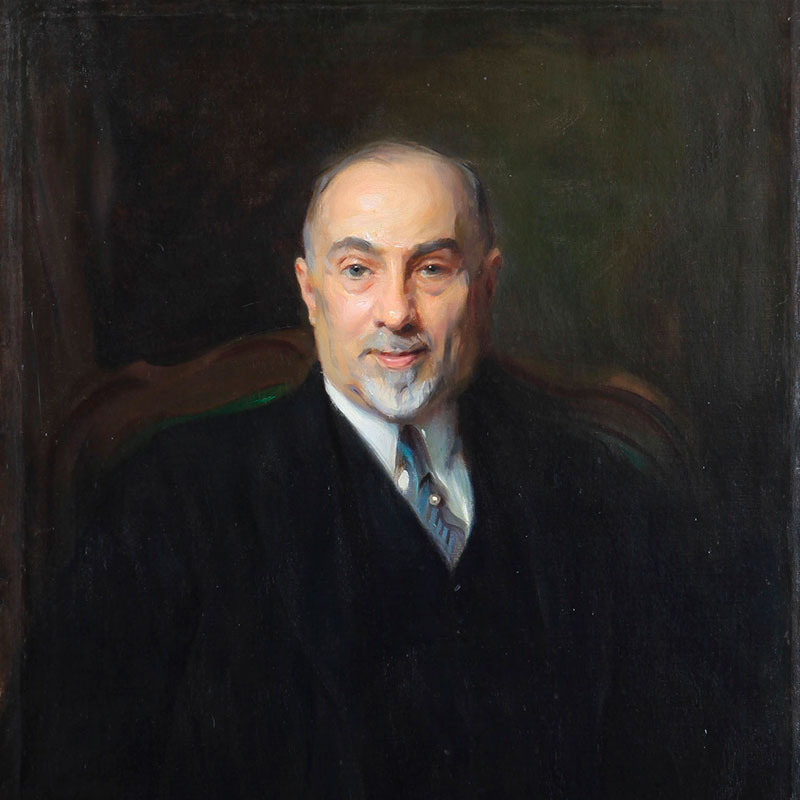
Alfredo Hirsch
Synopsis
The Alfredo Hirsch Project is a program dedicated to enhancing the quality of agricultural education in Argentina. Founded in 2006 by Claudia Caraballo de Quentin and Octavio Caraballo, grandchildren of Mr. Alfredo Hirsch, a key figure in the industrialization in Argentina. The project strives to elevate schools to ISO 9001 quality standards through comprehensive training, collaborative networks, and a commitment to continuous improvement.
Foundation & Ideation
The Alfredo Hirsch Project (PAH, in Spanish) began in 2006, driven by the initiative of its sponsors, Claudia Caraballo de Quentin and Octavio Caraballo, grandchildren of Mr.
Alfredo Hirsch who generously funded the project in memory of their grandfather, a visionary man who made significant contributions to the industrialization of Argentina in the first quarter of the 20th century.
For Mr. Hirsch held a deep conviction that education was pivotal for an emerging society.
He firmly believed in nurturing the younger generation and equipping them with the essential tools required to thrive in a competitive world.
Furthermore, he had faith in the Argentine agricultural sector, the value of hard work, strong ethics, along with personal and organizational discipline.
Hence, the Alfredo Hirsch Project (PAH) pays tribute to his legacy by embodying his ideals: that ambitious goals can be attained through unwavering determination and commitment.
Mission
ALFREDO HIRSCH PROJECT
The primary objective of the project is to enhance the quality of agricultural education, with the aim of ensuring that all schools participating in the project achieve ISO 9001 quality standards.

CLAUDIA CARABALLO
DE QUENTIN
Fundadora

OCTAVIO CARABALLO
Fundador
Funding
The PAH is entirely funded by Claudia Caraballo de Quentin and Octavio Caraballo. This funding encompasses various aspects, including training, lecturer fees, teachers' meetings, travel expenses and accommodations, ISO-set fees, and cross-audits among schools. Each school that becomes part of the project receives financial support for an initial two-year period. Subsequently, the school remains in the project, contingent upon demonstrating a consistent improvement in its performance.
ISO
QUALITY MANAGEMENT STANDARDS
ISO, headquartered in Switzerland, is an international organization that establishes voluntary rules and standards, which require approval from 75% of its member countries for adoption. One of its most widely recognized standards is the ISO 9001 Quality Management Standard, applicable to organizations of all sizes, including NGOs, healthcare facilities, research institutions, universities, government agencies, and even schools.
While ISO 9001 is the most well-known and fundamental standard, ISO has also introduced ISO 21001, the world's first management system standard specifically designed for educational institutions. The Escuela Agropecuaria de Tres Arroyos was the first among the network of schools within the PAH project, to achieve ISO 9001 certification in 1999 and ISO 21001 certification in 2008. The foundation of the project was built upon these certifications.
Project Development
Schools undergo a two-year training program that primarily focuses on the school staff. During this period, a diverse range of methodologies and tools are employed, including lectures, workshops, meetings, virtual classes, and exchange experiences among teachers. Additionally, cross-audits are conducted among schools. These activities are specifically designed to facilitate the creation, development, and implementation of a management system standard for education.
This process involves several key steps, such as analyzing the school's environment, sharing experiences, assessing, and negotiating risks, establishing a comprehensive educational quality policy, defining improvement objectives, identifying, and enhancing critical processes, and drafting a management system standard manual. This manual includes detailed information on processes, procedures, performance indicators, and more. Lastly, all these documents are created by the school staff and are closely monitored and supervised by PAH project experts and coordinators.
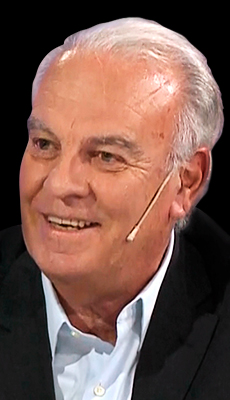
PATRICIO FERRARIO
Director
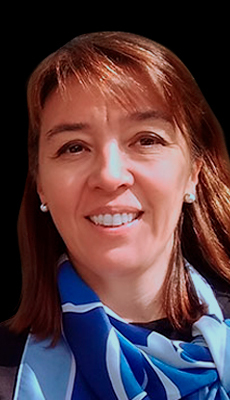
KARINA BARCI
Asesora en auditorías
Distinguished Lecturers
and Program Directors
Since 2007, numerous distinguished individuals have delivered lectures at various meetings within the project. To name just a few of these notable speakers: Mariano Naradowski (UTDT), Alfredo van Gelderen (UCA, Academy of Education), Susana Avolio de Cols (UBA), Alicia Camilloni (UBA, Academy of Education), Ines Aguerrondo (UCA), Ernesto Gore (UdeSA), Emilio Satorre (AACREA – UBA), Fernando Vilella (UBA), Norah Schmeichel (Sygnos), Ines Camilloni (UBA), Juan Llach (IAE Austral University), Jose Luis Roces (ITBA), Guillermo Jaim Etcheverry (UBA, National Academy of Education), Diego Golombek (INET, UNQ), and Teresa Torralva (Favaloro University, INECO).
Additionally, Mr. Luis Patricio Ferrario serves as the General Coordinator, while Ms. Karina Barci fulfills the role of Audits Counselor within the project.
Internal Audits
Once the Management Manual has been completed and the processes involving risk-based thinking have been examined and improved, the "Internal Audits Course" takes place. During this phase, internal audits are conducted to verify whether the organization is effectively complying with its documented processes and policies. The key questions at the heart of these audits are: "Are we implementing what we have articulated in our procedures?" and "Are our stated practices consistent with our actual actions?"
Cross-audits
Once the beneficiary school has initiated its internal audit process, the "cross-audits" phase commences. During this stage, teachers from one school engage in an exchange with schools within PAH that have already obtained certification for quality standards. These audits may reveal various types of findings, which can be categorized as "non-conformities," such as observations, or opportunities for improvement set by the ISO rules.
"Non-conformities" typically require corrective or preventive measures, along with an enhanced quality control process. It is important to emphasize that the focus is always on "finding solutions, no guilty parties.” The goal is to enhance and refine the quality of education within the schools participating in the project.
External certification
The final phase of the process culminates with an external audit conducted by an authorized certification body accredited by ISO. If the audit confirms that the schools have achieved the required quality standards, the certification remains valid for a duration of three years. Throughout this three-year period, internal and cross-audits are conducted by the certifying body to ensure ongoing compliance.
Once the three-year certification period concludes, schools must seek recertification. Some schools may request additional funding to remain within the program, even if they have been part of it since 2009 . This demonstrates the effectiveness of the system and the way in which teachers adapt to the standard and the associated management system it prescribes.
Commitment to Improvement
The ISO 9001 standard places a strong emphasis on the continuous improvement of processes and services within the school environment. The PAH project, in turn, aims to facilitate and reinforce this educational enrichment by conserving a collaborative network of schools and supporting teachers who are part of the project at every step. Ultimately this collaborative approach fosters a collective effort towards constant improvement and ensures that the project's goals are met.
Beneficiary Schools
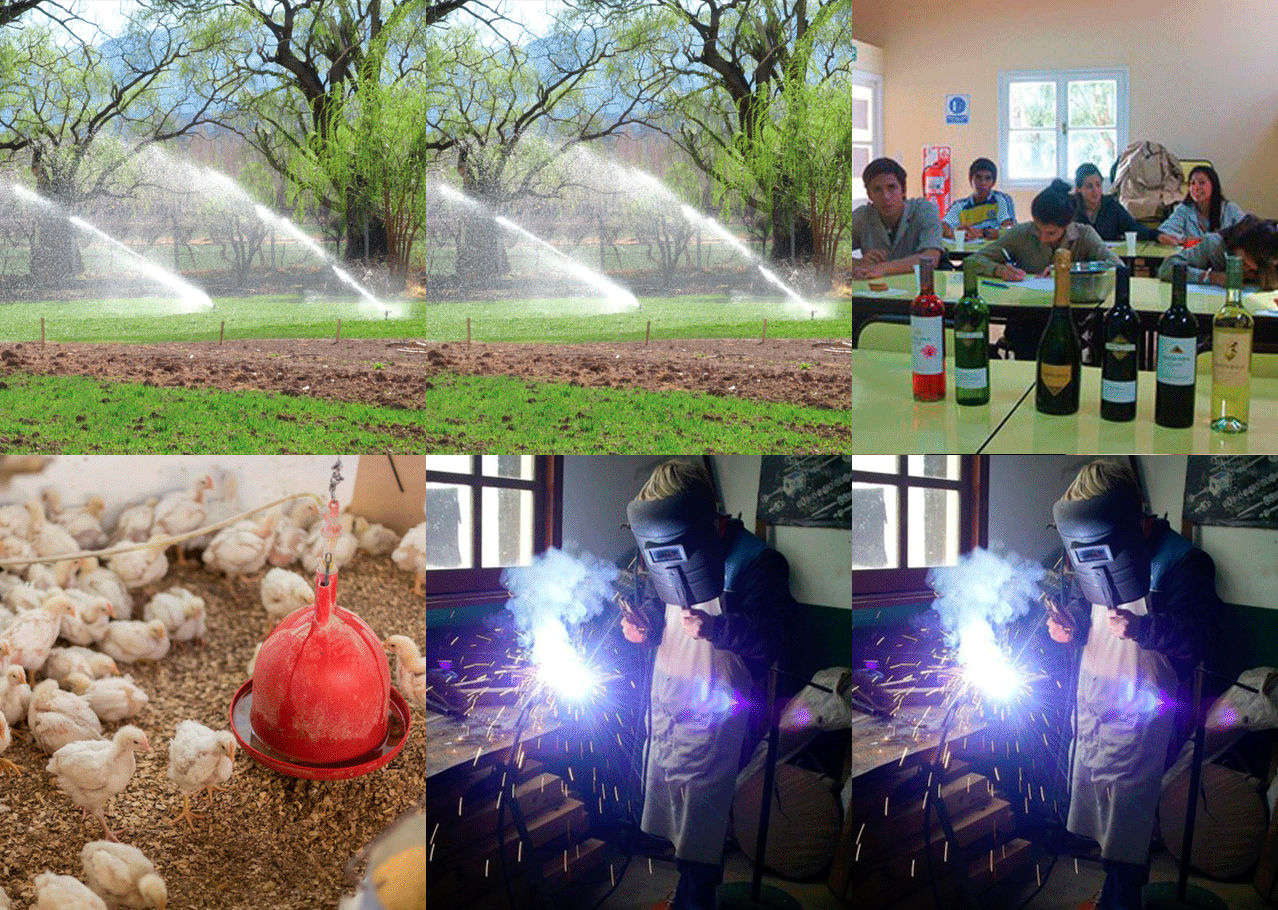
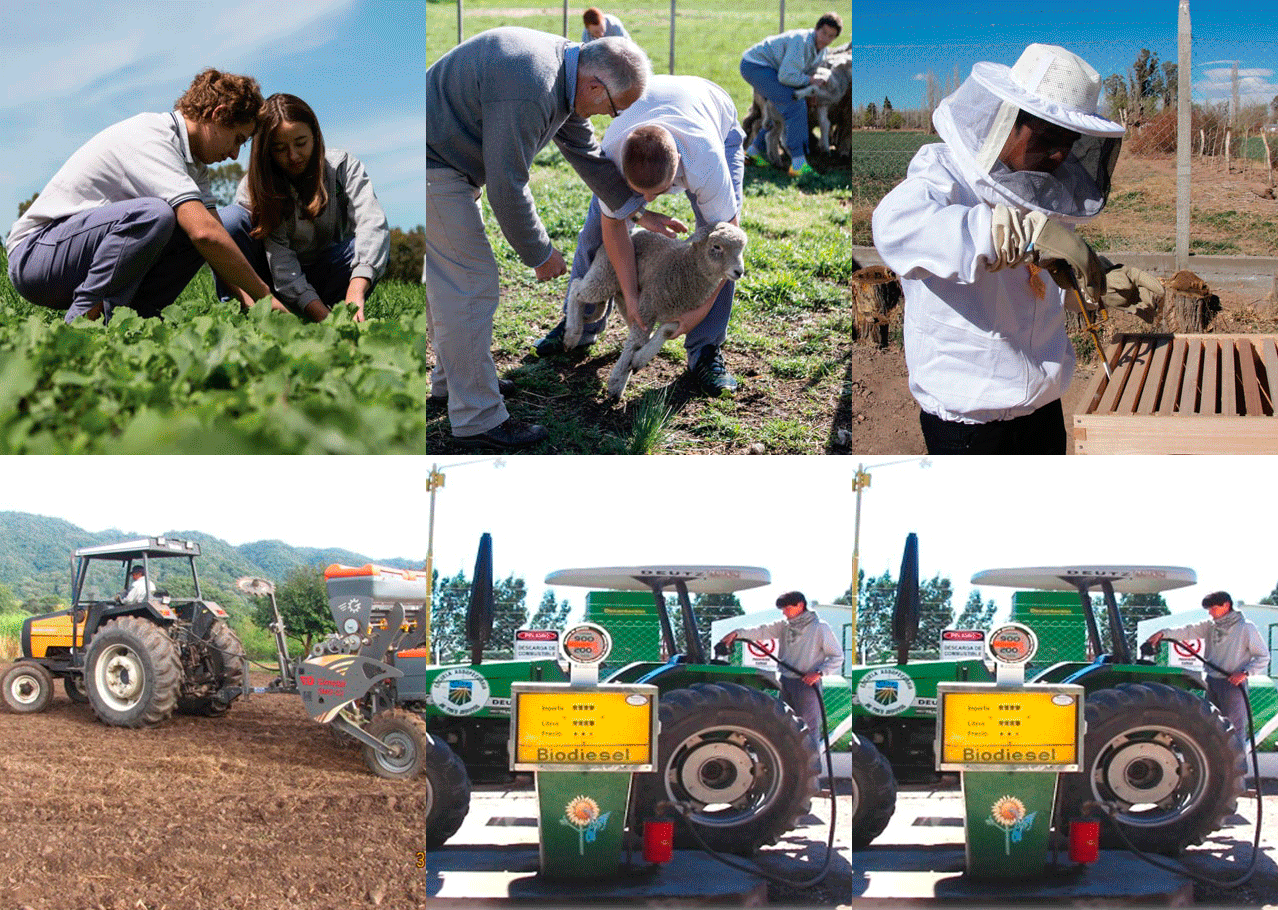
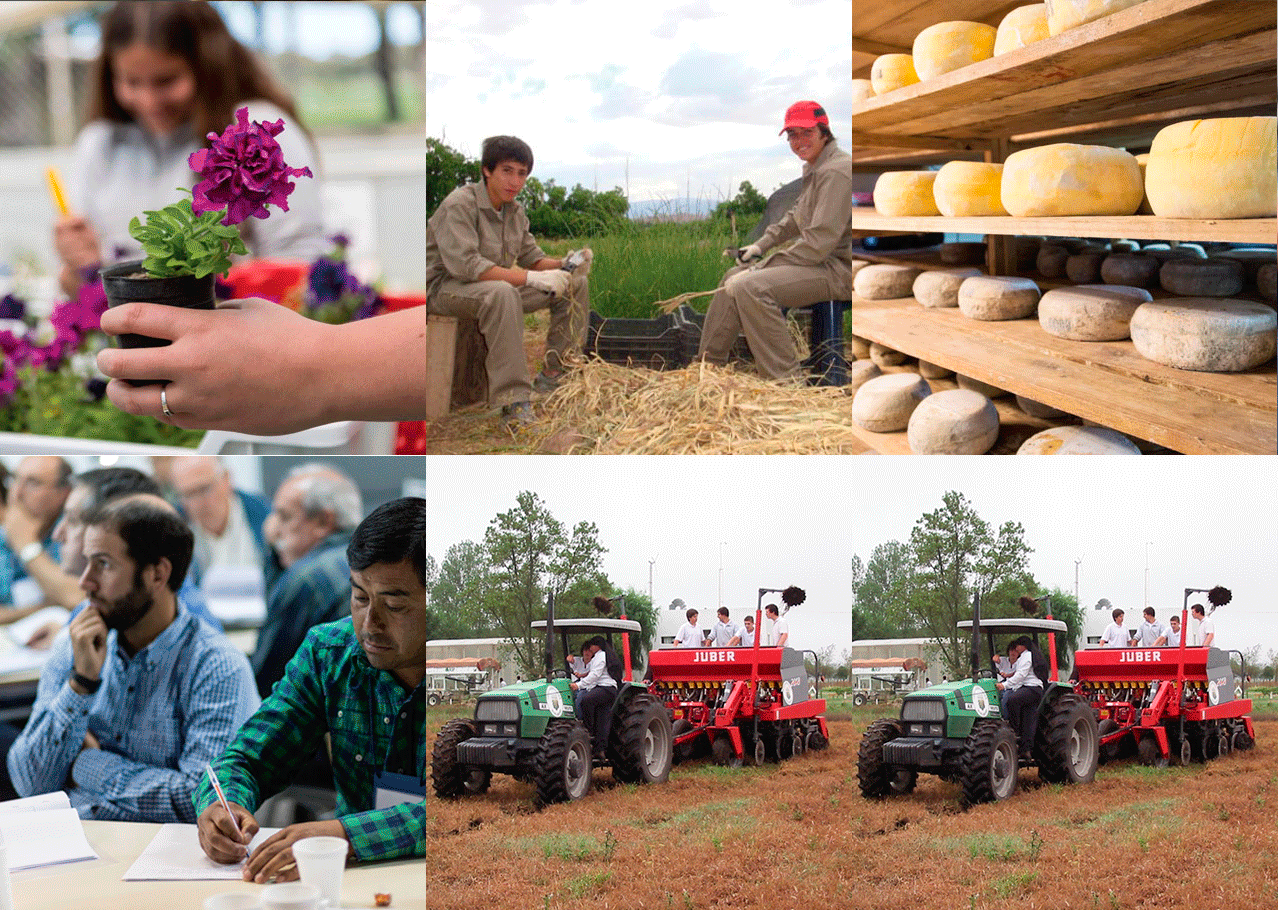
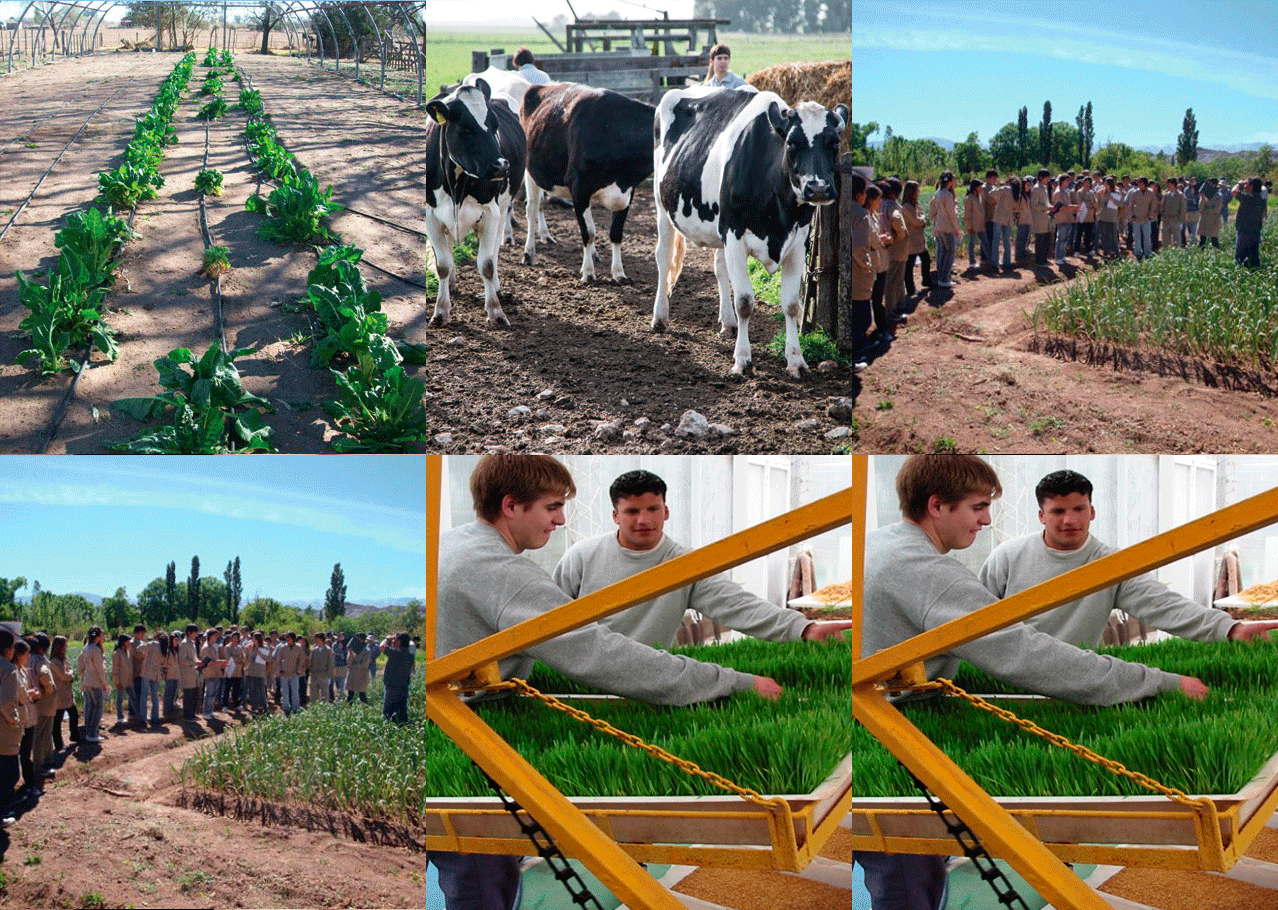
The initial group of selected schools embarked on the rigorous training and educational enrichment process in 2007, eventually achieving certification in 2009. Subsequently, additional schools joined the PAH project. Currently, the agro-technical schools that have successfully certified quality standards include Tres Arroyos, Monte, Inchausti, Rivera, and Saladillo (located in the Province of Buenos Aires), Monte Buey (Cordoba), Barreal (San Juan), Gobernador Virasoro (Las Marias, Corrientes), Linea Cuchilla (Misiones), and Mendoza. It's noteworthy that this network comprises both private and public schools, as well as secular and religious institutions, reflecting a diverse and inclusive approach to education quality enhancement across the country.